Hybrid Work Policy: 9 Essential Components + Free Template
Learn what a hybrid work policy is, see the 9 essential components to include, and download, edit, and use your free hybrid-work-policy-template.docx.

If your company has adopted hybrid work without a clear policy, you're likely dealing with inconsistent expectations, communication gaps, and confusion around accountability. As many organizations continue to adopt flexible work arrangements, a clear and well-defined hybrid work policy has become essential.
In this guide, you'll learn the 9 essential components of an effective hybrid work policy and get a free template you can download, customize, and use based on your needs.
What Is a Hybrid Work Policy?
A hybrid work policy is a written set of guidelines that defines how your employees divide their time between working remotely and working from the office. It sets clear expectations for work schedules, communication, performance, attendance, and accountability, ensuring everyone follows the same guidelines.
A well-defined hybrid work policy helps you create consistency, improve collaboration, and support a productive, flexible work environment.

Did you Know?
According to Gallup, 52% of remote-capable employees now work in a hybrid arrangement, making it the most common work model among knowledge workers.
Why Your Company Needs a Written Hybrid Work Policy
A written hybrid work policy does more than document workplace rules. It helps you create a consistent experience for employees and reduce confusion across teams.
Here are some key reasons why your company needs one:
Clarity for Employees
Without clear guidelines, your employees may be unsure about when they should work from the office, when they can work remotely, or what is expected of them. A written policy gives your team a clear understanding of how hybrid work operates within your organization.
Consistency Across Teams
Documenting your hybrid work expectations helps you apply the same guidelines across all teams. This creates consistency, reduces confusion, and helps you provide a fair and transparent experience for all employees.
Better Employee Retention
Employees value both flexibility and clarity. When you establish a clear hybrid work policy, you can create a more predictable work environment that improves employee satisfaction and encourages long-term retention.
Hiring Advantages
As flexible work becomes a priority for many job seekers, having a documented hybrid work policy can help you attract qualified candidates. It shows that your organization has a structured approach to supporting modern work arrangements.
Did you Know?
According to Owl Labs, 37%of workers would turn down a job offer that doesn't provide the flexibility they want. Having a well-defined hybrid work policy can make your company more attractive to top talent.
Improved Performance
When your employees understand where, when, and how they are expected to work, they can focus more on achieving results. A clear hybrid work policy helps improve collaboration, accountability, and overall team performance.
9 Essential Components of a Hybrid Work Policy
A hybrid work policy is only effective when it clearly defines how employees and managers should operate in a flexible work environment. To reduce confusion and ensure consistency across your organization, your policy should include these 9 essential components.

1. Eligibility Criteria
Not every role is suitable for hybrid work. Clearly define who qualifies for hybrid work and outline the process for approving hybrid work arrangements. This helps you maintain consistency and avoid confusion across teams.
2. Work Schedule and Core Hours
Employees need to know when they are expected to work from home and when they should be in the office. Your policy should also define core working hours so team members know when everyone is available for meetings and collaboration.
3. Communication Standards
When employees work from different locations, communication becomes even more important. Your policy should explain which tools to use, how quickly employees should respond, and how teams should stay connected throughout the workday. Clear communication guidelines help reduce misunderstandings and ensure work continues smoothly, regardless of where employees are working.
4. Performance and Productivity Expectations
Hybrid work should be measured by results, not location. Your policy should clearly explain how employee performance will be evaluated and what success looks like for different roles. This helps employees stay focused on priorities while giving you a fair way to assess performance.
5. Technology and Equipment
Employees need the right tools to do their jobs effectively. Your policy should outline what equipment the company provides, what employees are responsible for, and how technical issues should be handled. Providing clear technology guidelines helps employees remain productive whether they are working from home or the office.
6. Data Security and Access
Working from multiple locations can increase security risks. Your policy should include guidelines for protecting company data, securing devices, and safely accessing business systems from outside the office. Strong security measures help protect sensitive information and reduce the risk of data breaches.
Pro Tip: Use Time Champ's Data Loss Prevention (DLP) feature to monitor sensitive data activity, detect potential security risks, and help protect company information when employees work from different locations.
7. In-Office Attendance Expectations
If you require employees to come to the office on certain days, your policy should clearly communicate those expectations. This helps your teams plan and ensures better coordination for meetings and collaborative work. It also prevents confusion about attendance requirements and improves workplace accountability.
8. Accountability and Team Coordination
Set clear expectations for communication, collaboration, and team support in your hybrid workplace. When you follow consistent coordination practices, you can keep employees aligned, improve teamwork, and create a more positive work experience.
9. Review and Flexibility Clauses
Business needs and employee expectations can change over time. Your policy should include a process for reviewing and updating hybrid work arrangements so they continue to support both employees and organizational goals. Regular reviews help you identify what is working well and make adjustments when needed to keep your policy effective.
Worried about accountability gaps in your hybrid workforce?
Gain complete visibility into attendance, productivity, and work patterns with Time Champ!
How to Implement a Hybrid Work Policy Effectively in Just 6 Steps
To make your hybrid work policy effective, you need a clear implementation plan. Here are the 6 steps to successfully implement a hybrid work policy and help it work effectively across your organization.
Step 1. Audit Your Current State
Before creating a policy, evaluate how hybrid work currently operates in your organization. Review existing work arrangements, gather employee feedback, and identify any challenges your teams are facing. This helps you build a policy that addresses real workplace needs instead of assumptions.
Step 2. Draft With Stakeholders
A successful hybrid work policy requires input from multiple departments. Work with HR, legal, IT, and team leaders to create guidelines that support employees while meeting business and compliance requirements. Their insights can help you avoid potential issues before implementation.
Step 3. Trial With One Team
Instead of launching the policy company-wide, start with a small trial group. Testing the policy with one team allows you to identify what works, uncover challenges, and make improvements before expanding it across the organization.
Step 4. Announce and Communicate
Once the policy is finalized, communicate it clearly to employees. Clearly explain the purpose of the policy, outline employee expectations, and provide access to additional resources when needed. Clear communication helps reduce confusion and increases adoption.
Step 5. Enhance Your Communication and Leadership Skills
If you manage employees, you are responsible for enforcing the policy and supporting your team throughout the transition. Make sure you receive training on attendance expectations, communication practices, performance management, and handling policy-related questions.
Step 6. Measure and Adjust
After implementation, regularly review how the policy is performing. Track metrics such as attendance, productivity, employee satisfaction, and retention to identify areas for improvement. Using real data allows you to make adjustments and keep your hybrid work policy effective as your organization evolves.
Launching a hybrid work policy without the right systems in place?
Time Champ helps you create a structured hybrid work environment that keeps employees aligned from day one.
Free Hybrid Work Policy Template
Creating a hybrid work policy from scratch can feel challenging, especially when you're trying to support employee flexibility while meeting business needs. To make the process easier, we've created a free hybrid-work-policy-template.docx that covers the key areas every company should include.
The template includes:
- Employee eligibility rules
- Work schedules and working hours
- Communication guidelines
- Performance expectations
- Technology and equipment policies
- Data security requirements
- Office attendance expectations
- Manager responsibilities
- Policy review and update process
Use this template as a starting point and adjust it to fit your company's needs.
How Time Champ Supports Your Hybrid Work Policy
A hybrid work policy is only effective when you have the right tools to support it. Time Champ helps you turn your hybrid work policy into action by giving you the insights needed to manage, support, and improve workforce performance.
Time Champ is an employee monitoring and hybrid workforce management software that helps you track attendance, monitor productivity, and manage remote and in-office employees from a single platform.
Attendance Tracking by Location
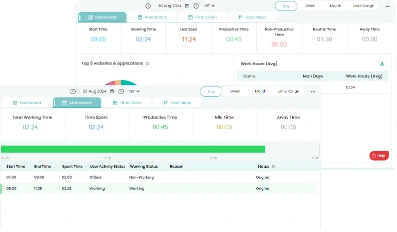
Know who's working from the office and who's working each day remotely. This helps you monitor attendance requirements, support office schedules, and ensure employees follow your hybrid work policy.
Productivity Insights Across Work Locations
Understand how employees perform when working remotely and in the office. When you compare productivity trends across different work environments, you can make better decisions about your hybrid work strategy.
Workforce Analytics to Identify Challenges Early
Gain visibility into work patterns, workload distribution, and employee engagement levels. These insights can help you identify potential issues early and make improvements before they affect performance or retention.
Employee Monitoring for Better Visibility
Gain real-time visibility into employee activities and work patterns across remote and in-office teams. This helps you identify communication gaps, support accountability, and ensure employees stay aligned with team goals.
Time Tracking for Improved Productivity
Automatically track work hours, active time, and time spent on tasks and projects. This helps you understand how employees use their time, improve workload management, and maintain a healthy balance between collaboration and focused work.
Cross-Platform Compatibility
Time Champ works across Windows, Mac, and Linux devices, making it easy to manage hybrid teams regardless of the systems they use.
Easy to Get Started
With plans starting at $3.90 per user per month and a 7-day free trial, Time Champ provides the tools you need to support your hybrid work policy without adding complexity to your operations.
Whether you're implementing a new hybrid work policy or improving an existing one, Time Champ helps you track attendance, measure productivity, and make informed decisions based on real workplace data.
Ready to build a more productive and accountable hybrid workforce?
Start your free Time Champ trial today and see how easy it is to manage hybrid teams effectively!
Conclusion
A hybrid work policy gives your employees clear expectations and helps your organization maintain consistency, accountability, and productivity. With well-defined guidelines and regular updates, you can build a hybrid work environment that supports both organizational goals and employee success.
To make your policy even more effective, use tools like Time Champ to track attendance, monitor productivity, and gain the insights needed to support a successful hybrid workforce.

Guna Lakshmi

Table of Content
 What Is a Hybrid Work Policy?
- Why Your Company Needs a Written Hybrid Work Policy
- 9 Essential Components of a Hybrid Work Policy
- How to Implement a Hybrid Work Policy Effectively in Just 6 Steps
- Free Hybrid Work Policy Template
- How Time Champ Supports Your Hybrid Work Policy
- Conclusion
Related Blogs

Implementing screen recording legally means getting notification, consent, and data rules right. Here is what you need to know before they start.
Guna Lakshmi | Jan 01, 2024
Discover the hybrid work model, which blends office and remote environments for greater flexibility and productivity.
Thasleem Shaik | Oct 25, 2024
Learn about employee monitoring laws, what they mean for businesses, and how they protect employee privacy and rights.
Shabana Shaik | Jul 10, 2024
Explore the challenges and benefits of hybrid work and discover strategies for effective team management to enhance flexibility, productivity, and smooth communication.
Thasleem Shaik | Oct 25, 2024
Explore the pros and cons of remote vs. hybrid work models, and learn how to choose the best setup for your team
Tarun Kumar Reddy | Oct 25, 2024
Employee screen recording helps you meet compliance and security requirements. See which regulations apply and when your team needs them.
Guna Lakshmi | Apr 24, 2026


 4.7/5 avg.
Ready to Manage Your Workforce Smarter?
Join our family of 1500+ companies using smart insights to redefine workforces!

Free Trial
No Credit Card Required